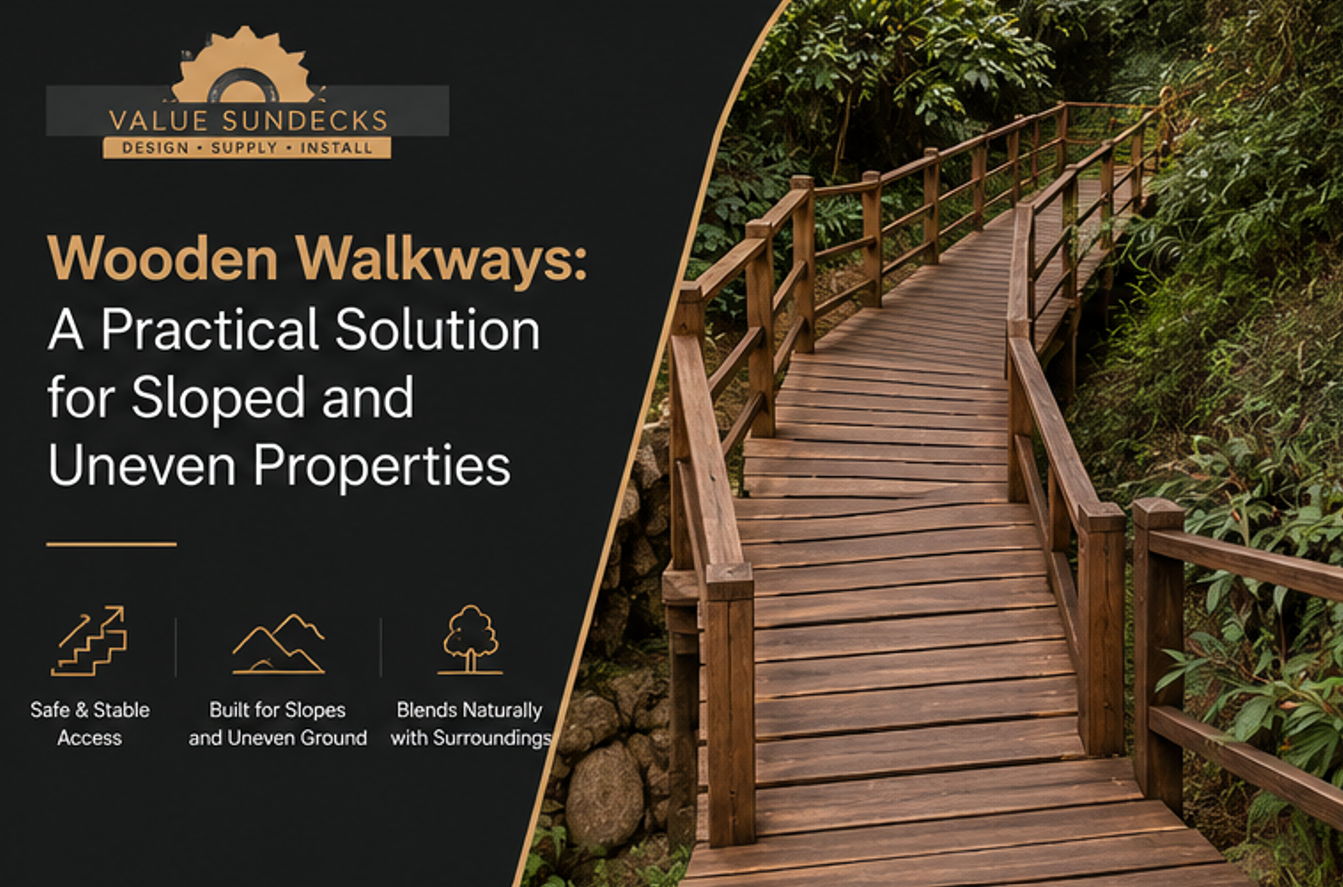
Wooden Walkways: A Practical Solution for Sloped and Uneven Properties
Sloped gardens and uneven terrain can make parts of a property difficult to access and challenging to use. Steep gradients, changing ground levels and irregular surfaces can turn a simple walk through the garden into an uncomfortable experience, particularly during wet weather.
Wooden walkways provide a practical way to create a more defined and accessible route across these areas without requiring the entire landscape to be levelled.
A professionally designed timber walkway can follow the natural shape of the property, connect different outdoor areas and create an attractive feature that complements the surrounding garden.
For properties in Durban and the greater KwaZulu-Natal region, timber walkways can be particularly useful for gardens, sloped properties and outdoor spaces where conventional paved paths may be difficult to install.
Why Sloped and Uneven Properties Can Be Difficult to Navigate
Not every property has perfectly level ground.
Homes built on hillsides or properties with landscaped gardens can have substantial changes in elevation. Natural features such as rocks, trees and drainage areas may also make conventional pathways difficult to construct.
Uneven terrain can create several challenges, including:
- Difficult access between different areas
- Slippery or muddy paths after rain
- Uncomfortable walking surfaces
- Soil erosion on frequently used routes
- Limited access to parts of the garden
- Difficult transitions between different levels
Instead of extensively excavating or reshaping the landscape, a timber walkway can often be designed around the existing terrain.
Value Sundecks offers professional woodwork services in Durban, including wooden walkways designed specifically to improve accessibility across uneven terrain.
Wooden Walkways Can Follow the Natural Landscape
One of the major advantages of timber construction is its design flexibility.
A wooden walkway can be designed to follow the existing contours of a garden instead of forcing the property into a completely different shape.
Depending on the landscape, a walkway may be:
- Installed close to ground level.
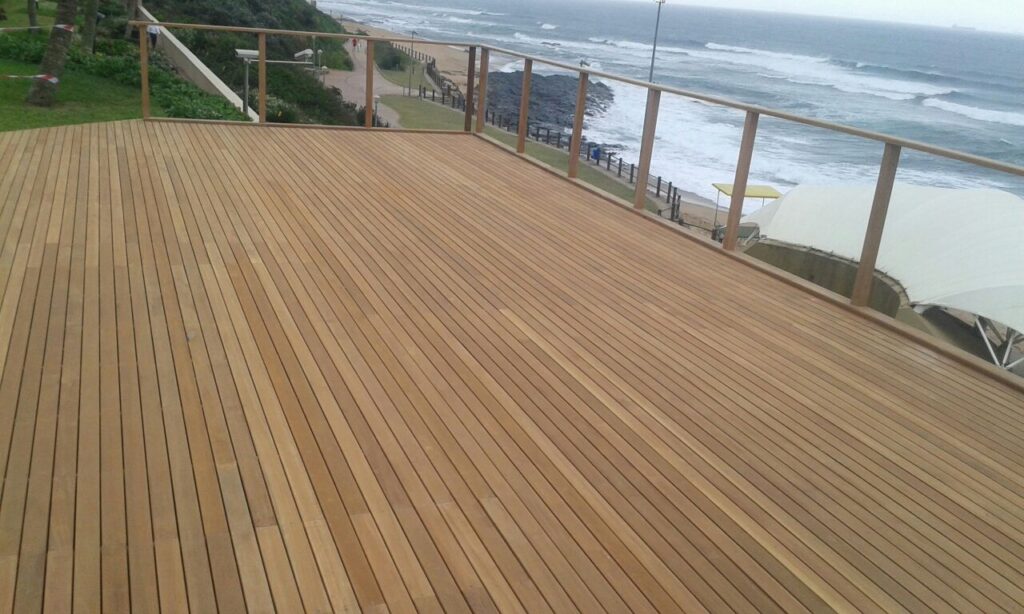
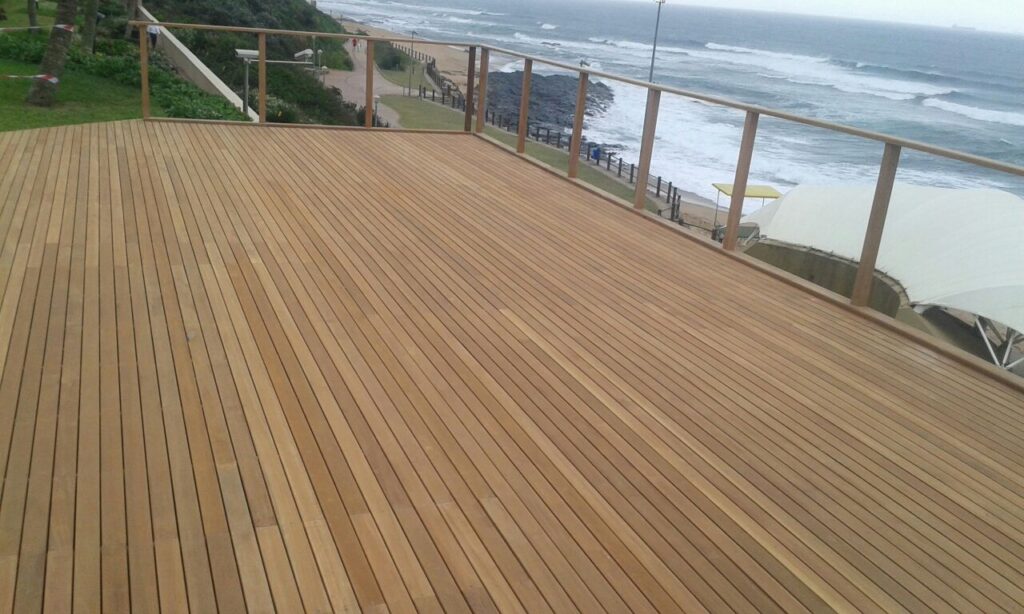
- Raised above uneven sections.
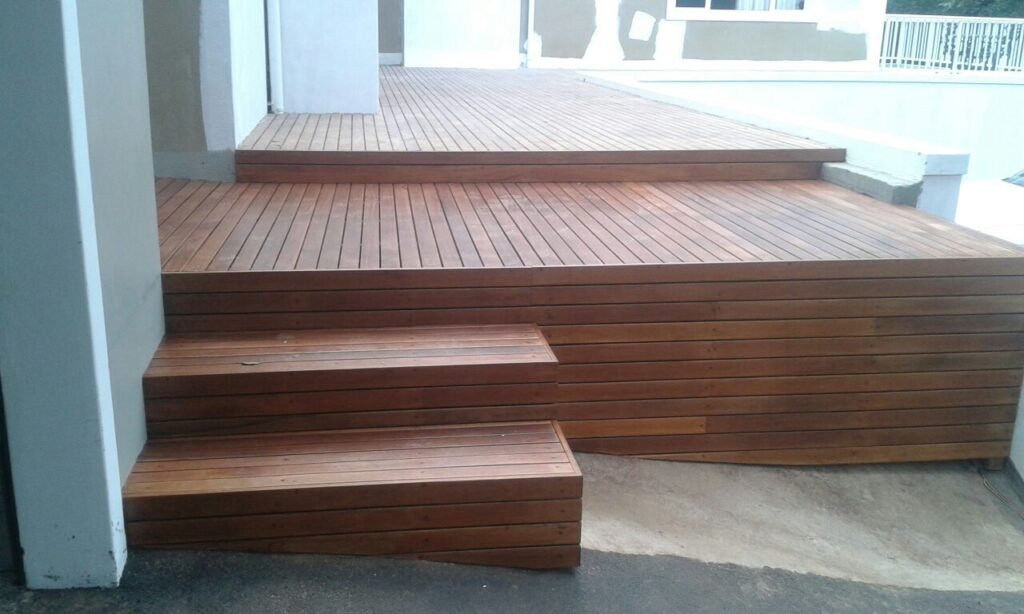
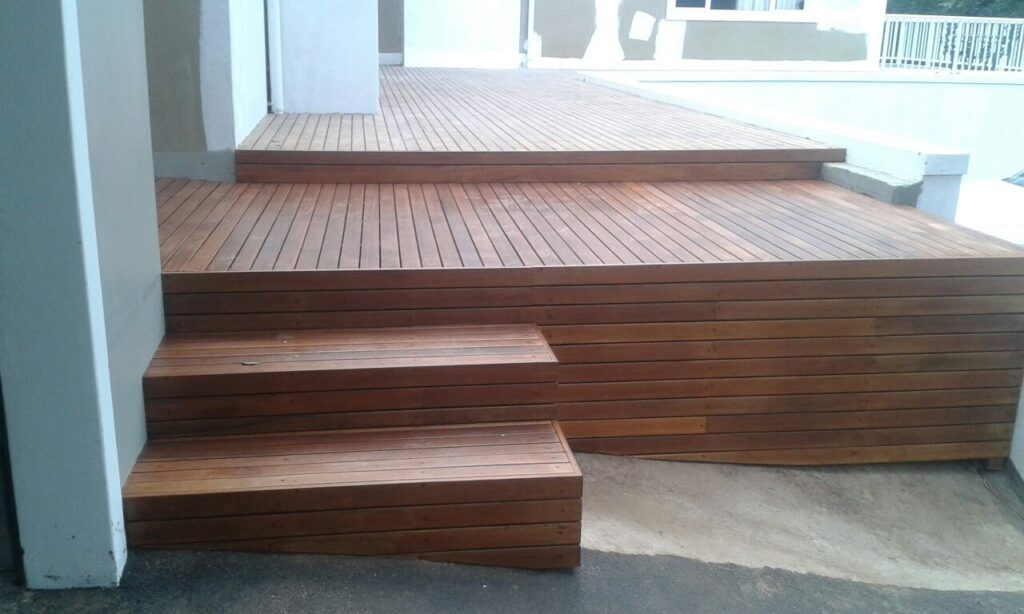
- Combined with timber steps.
- Designed around trees and existing landscaping.
- Connected to decks, patios or entertainment areas.
- Extended across difficult sections of the property.
This flexibility makes wooden walkways for sloped properties useful where the ground changes significantly over relatively short distances.
Improve Access Across Uneven Terrain
Accessibility is one of the main reasons homeowners consider installing wooden walkways.
A clearly defined pathway provides a dedicated route between different areas of the property.
For example, a timber walkway can connect the house with:
- A swimming pool
- Garden areas
- Entertainment spaces
- A timber deck
- Outdoor seating areas
- Separate buildings
- Lower or upper sections of the property
Rather than repeatedly walking across grass, soil or uneven ground, homeowners and visitors have a more clearly defined route through the property.
This can make previously difficult-to-reach sections of a garden more practical to use.
Create a More Stable Walking Surface
Rain can quickly change the condition of an unpaved garden path.
Soil can become muddy, grass can become slippery and uneven surfaces can become more difficult to navigate.
A professionally constructed outdoor timber walkway creates a more consistent walking surface above or across these areas.
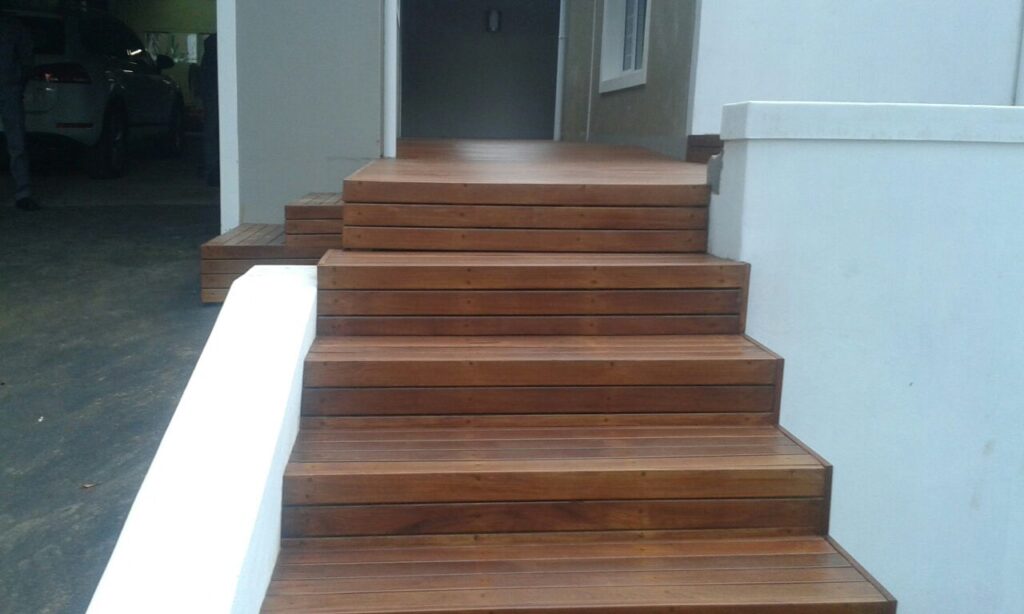
Where the terrain changes height significantly, timber stairs can also be incorporated into the design to create a more manageable transition between levels.
Value Sundecks also provides timber home repairs in Durban, including staircase and walkway stabilisation for existing outdoor timber structures.
Wooden Walkways Can Complement Your Garden
Practicality does not mean sacrificing appearance.
Timber has a natural character that works particularly well with landscaped outdoor environments. Its colour, grain and texture can complement lawns, trees, garden beds and other natural elements.
A carefully planned wooden garden path can therefore become part of the overall landscape design rather than simply functioning as a route from one area to another.
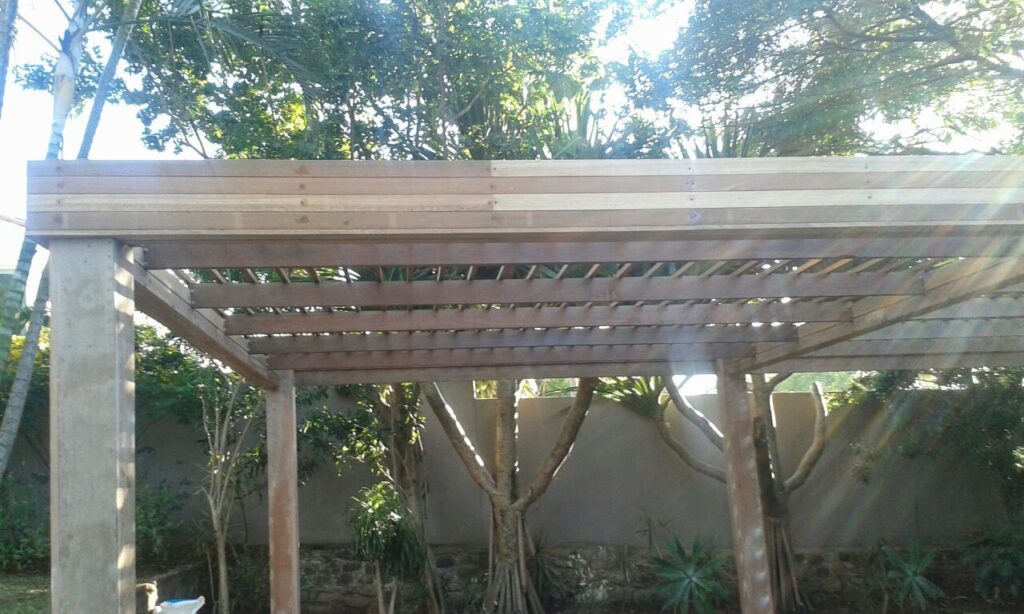
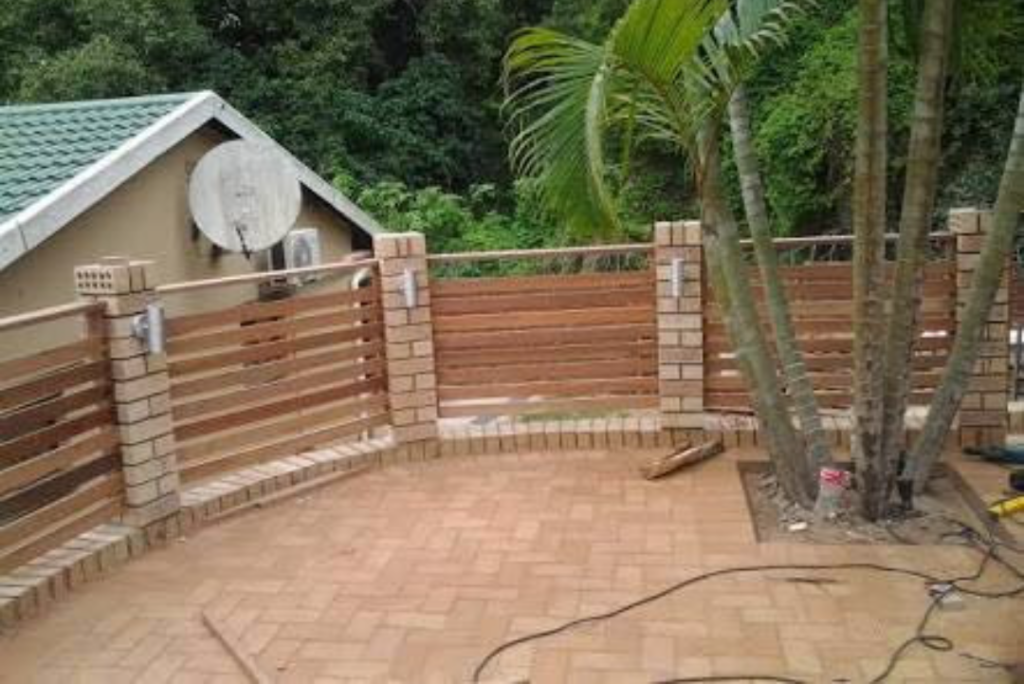
Wooden walkways can also be designed to coordinate with existing timber features such as decks, pergolas, staircases and balustrades.
This creates a more consistent appearance throughout the property.
Combine Wooden Walkways with Timber Stairs
Some properties are too steep for a continuous walkway alone.
In these situations, incorporating timber stairs can provide a practical transition between different elevations.
A walkway could lead across a relatively gentle slope before connecting with stairs where the gradient becomes steeper.
Combining walkways and stairs can create a continuous route through areas that would otherwise be difficult to navigate.
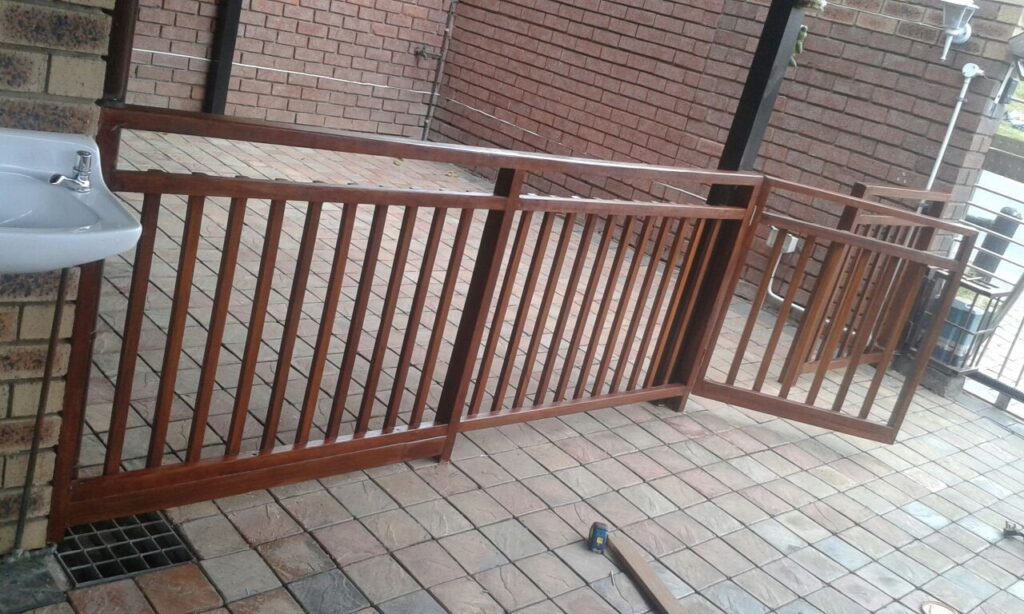
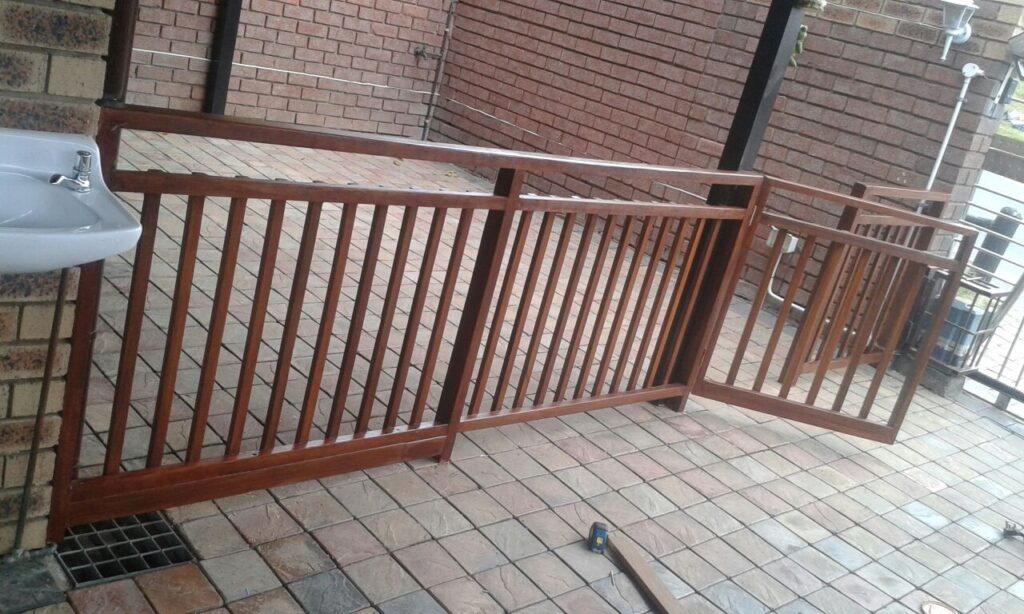
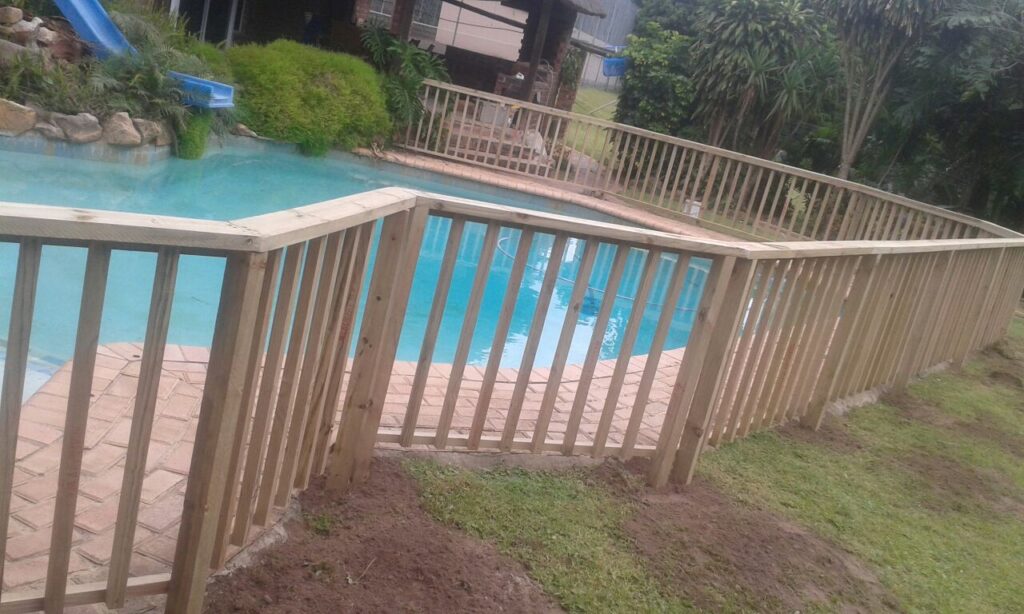
Where elevated sections are involved, appropriate railings or balustrades may also form part of the overall design.
Homeowners can explore more about wooden balustrades and outdoor safety when planning raised timber structures.
Turn Difficult Areas into Usable Outdoor Space
Sloped land is sometimes treated as wasted space because it can be difficult to access or incorporate into the rest of the garden.
A well-planned wooden walkway can change how these areas are used.
Creating a defined path can make it easier to reach garden features, viewpoints, entertainment areas or sections of the property that were previously inconvenient to access.
Timber construction can also be adapted to challenging terrain. Value Sundecks states that its support structures can be designed for steep slopes, helping transform difficult land into functional outdoor areas.
This makes timber particularly useful for properties where the landscape itself is one of the main construction challenges.
Choose Timber Suitable for Outdoor Conditions
Outdoor timber is continuously exposed to sunlight, rain and moisture, so material selection and finishing are important considerations.
Value Sundecks uses treated timber and hardwood options for its outdoor structures, with professional sanding and sealing forming part of its construction process.
Regular maintenance can help protect the appearance and condition of the timber over time.
Homeowners should periodically inspect a wooden walkway for:
- Loose boards
- Damaged fasteners
- Surface deterioration
- Moisture damage
- Unstable supports
- Worn steps
- Movement in railings or balustrades
Addressing problems early can help maintain the walkway and prevent minor deterioration from developing into more significant repairs.
Why Professional Installation Matters
A wooden walkway on uneven terrain requires more than simply placing timber boards across the ground.
The structure needs to take the property’s terrain, elevation changes, drainage, supporting structure, intended use and surrounding landscape into consideration.
Professional installation can help ensure that the walkway is appropriately supported and integrated into the property.
An experienced timber contractor can also assess the site before construction and recommend a layout suited to the particular terrain.
For homeowners in KwaZulu-Natal, working with professionals familiar with outdoor timber construction can make it easier to create a walkway that is both practical and visually appropriate for the property.
Frequently Asked Questions
Are wooden walkways suitable for steep properties?
Yes. Timber walkways can be designed for properties with changes in elevation and can be combined with stairs or raised sections where necessary. The appropriate design depends on the gradient and specific site conditions.
Can a wooden walkway be built over uneven ground?
Yes. One of the benefits of timber construction is that the supporting structure can be designed around uneven terrain, reducing the need to completely level the existing landscape.
Can wooden walkways connect to an existing deck?
Yes. A timber walkway can potentially connect a deck with gardens, swimming pools, entertainment areas and other parts of a property, creating a more consistent outdoor design.
Do outdoor wooden walkways need maintenance?
Yes. Outdoor timber requires periodic inspection and maintenance because it is exposed to sunlight, moisture and changing weather conditions. Appropriate cleaning, sanding and protective treatments can help maintain the timber.
Can balustrades be added to raised wooden walkways?
Yes. Where a walkway is elevated, a suitable balustrade or railing system may be incorporated into the design. The requirements will depend on the walkway’s height, design and site conditions.
Conclusion
Wooden walkways can provide a practical solution for properties with sloped gardens, uneven ground and difficult changes in elevation.
Instead of extensively reshaping the landscape, a custom timber walkway can work with the property’s natural contours while creating a defined route between important outdoor areas.
Timber walkways can also be combined with stairs, decking and balustrades to create an integrated outdoor environment that is functional and visually connected.
With appropriate materials, professional construction and ongoing maintenance, a wooden walkway can transform an awkward or difficult section of a property into a more accessible and usable outdoor space. Contact Value Sundeck
Need a Wooden Walkway for Your Property?

Whether you need to navigate a sloped garden, connect different outdoor areas or create a pathway across uneven terrain, Value Sundecks can design a timber solution around your property’s specific landscape.