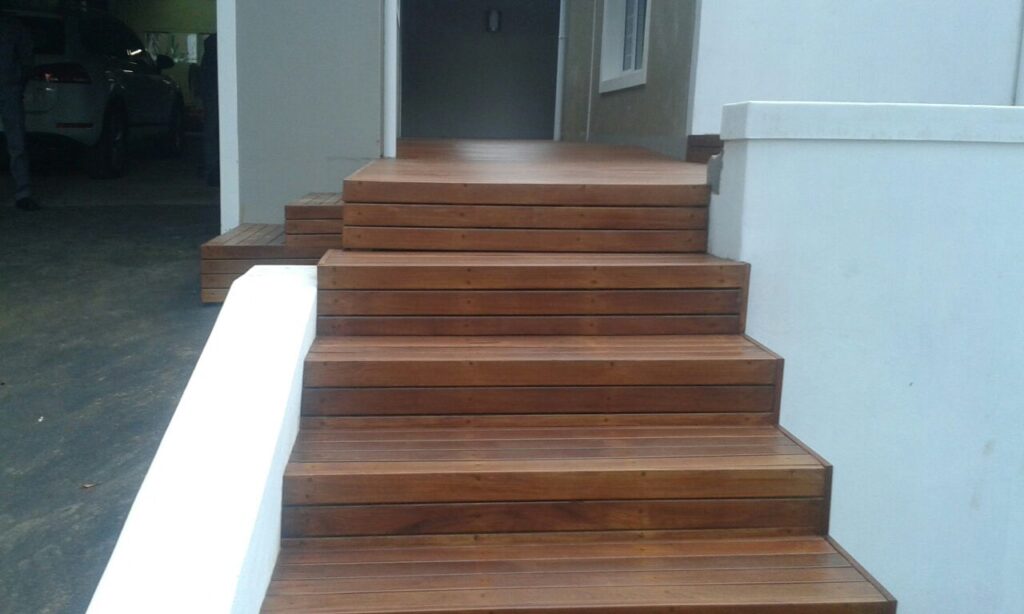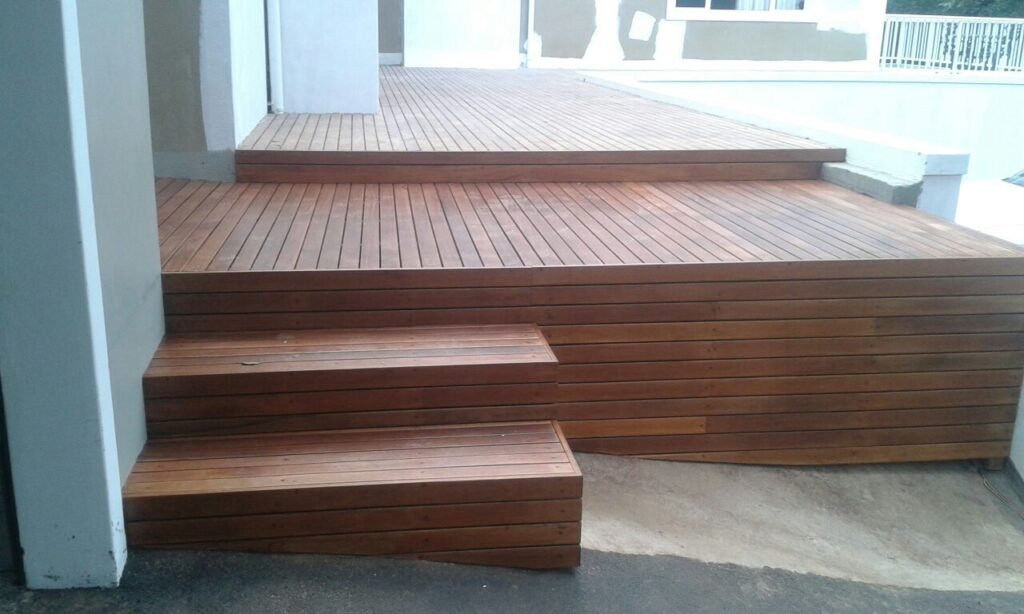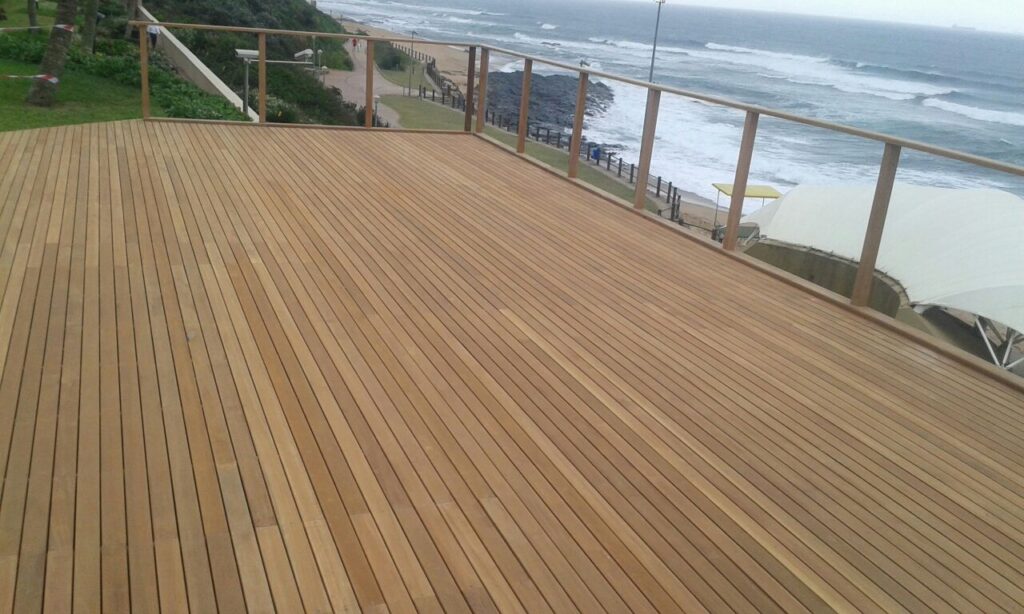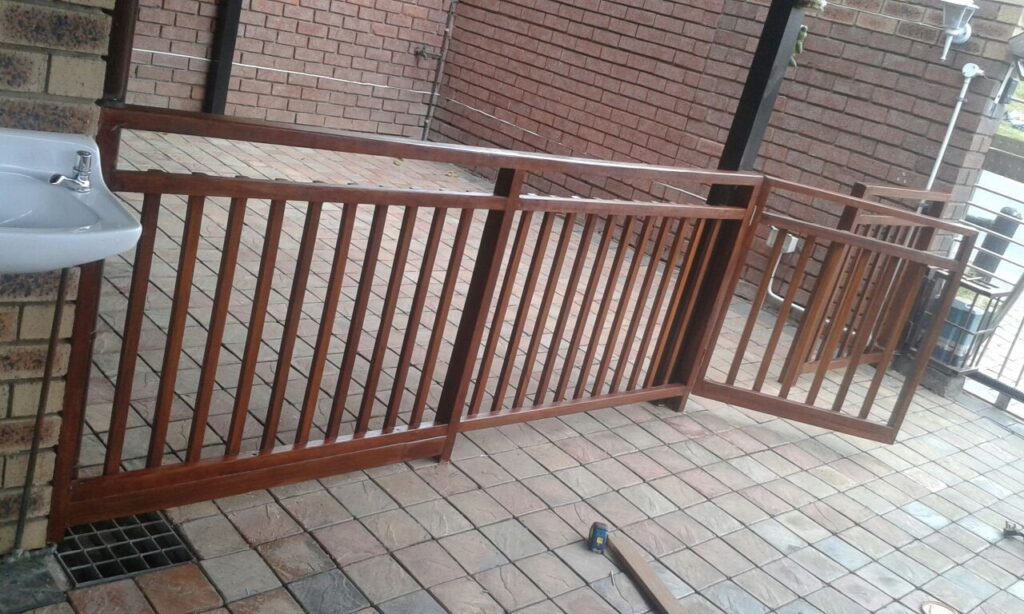
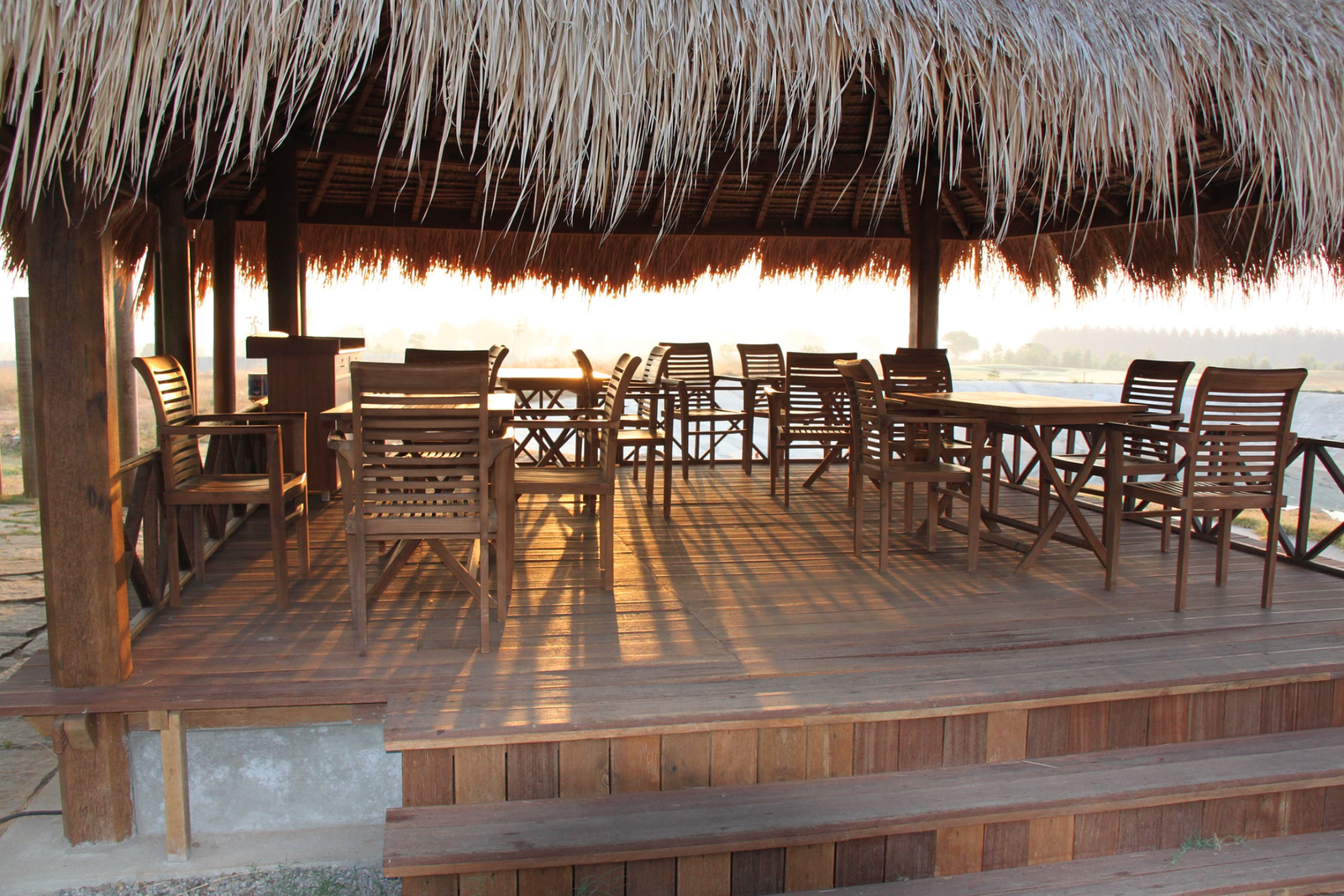
Owning a wooden deck in South Africa is a dream for those who love outdoor entertaining, but it comes with a unique set of challenges. Our climate is beautiful, yet it is notoriously harsh on natural materials. Between the relentless UV radiation of the Gauteng sun and the sudden, heavy downpours of the summer rainy season, your timber is under constant biological attack.
If you are looking at a grey, splintering, or dull sundeck and wondering what is the best treatment for old wooden decks, you are not alone. Many homeowners reach a point where they realize that a simple sweep and a hose-down are no longer enough to protect their investment. Choosing the right treatment is the difference between a deck that lasts thirty years and one that needs to be torn down in ten.
Why Your Deck Treatment Choice Matters in 2026
In 2026, we are seeing a shift toward sustainable and long-term home maintenance. Homeowners are moving away from “quick-fix” retail products that promise a shiny finish but fail within six months. The “best” treatment isn’t just about what looks good on day one; it’s about what preserves the structural integrity of the wood fibers over a decade.
When timber is left untreated, the sun’s UV rays break down the lignin—the natural glue that holds wood fibers together. This causes the wood to turn grey and become brittle. Once the surface is compromised, moisture seeps into the cracks, leading to warping, cupping, and eventually, the dreaded wood rot. To prevent this, you need a treatment that acts as both a sunscreen and a moisture barrier.
Decking Oil vs. Varnish: The Great Debate
If you ask any professional timber contractor in Pretoria or across South Africa, “What is the best treatment for old wooden decks?”, the answer is almost always penetrating timber oil.
The Problem with Varnish and Sealers
Varnishes and “surface sealers” create a hard, plastic-like film over the top of the wood. While they look great initially, they are fundamentally ill-suited for outdoor decks. Because wood is a natural material, it expands and contracts with temperature changes. A hard varnish cannot move with the wood. Eventually, it cracks. Once it cracks, water gets trapped underneath the film, where it cannot evaporate. This creates a greenhouse effect for fungi, leading to rapid rot that you can’t see until the board collapses. Furthermore, when varnish fails, you have to sand the entire deck back to bare wood before you can re-apply it—a massive, dusty, and expensive task.
The Superiority of Penetrating Oils
Penetrating oils, such as those used by Value Sundecks, work differently. Instead of sitting on top, they soak deep into the grain. They keep the timber supple and flexible, allowing it to breathe.
- Easy Maintenance: When it’s time for a “top-up” (usually once a year), you don’t need to sand. You simply wash the deck and apply a fresh coat of oil.
- No Peeling: Because there is no film, there is nothing to crack or peel.
- UV Protection: High-quality oils contain pigments that act as a physical barrier against the sun.
What to Look for in a High-Quality Treatment
Not all oils are created equal. When shopping for the best treatment for old wooden decks, look for these three critical components:
- UV Inhibitors: In South Africa, “clear” treatments are often a mistake. Pigmented oils (like Teak, Oak, or Mahogany tints) provide much better protection because the color particles reflect the sun’s rays.
- Water Repellency: The oil should cause water to “bead” on the surface rather than soaking in. This is vital for preventing the internal dampness that causes rot.
- Fungicides and Insecticides: Especially for CCA treated pine, having a treatment that includes anti-fungal properties adds an extra layer of defense against the South African borer beetle and local mold species.
Step-by-Step: How to Apply the Treatment
Even the best product will fail if the application is poor. If you are handling a restoration yourself, follow this professional workflow:
- Step 1: Deep Clean. Use a specialized deck cleaner to strip away old tannins and grey oxidation.
- Step 2: Dry Thoroughly. Never apply oil to damp wood. In a climate like Pretoria’s, wait at least 48 hours after rain or washing before applying your treatment.
- Step 3: Sanding (If Necessary). If the deck is very old and “furry,” a light sand with 80-grit paper will open up the pores of the wood, allowing the oil to soak in much deeper.
- Step 4: Thin Coats. It is better to apply two thin coats than one thick, messy one. Use a high-quality brush or a specialized deck applicator to ensure even coverage.
Why Professional Maintenance is a Better Investment
While DIY is possible, many homeowners find that the time and equipment rental costs quickly add up. A professional service like Value Sundecks brings industrial-grade sanding equipment and high-performance industrial oils that aren’t typically available at local hardware stores.
Moreover, professionals can identify structural issues that a layman might miss. Is that “soft spot” just a loose screw, or is the joist underneath failing? Having an expert eye ensures that your treatment isn’t just “putting lipstick on a pig” but is actually extending the life of a safe, sturdy structure.
Critical Questions for Your Contractor
Before hiring someone to treat your deck, ask:
- Do you use penetrating oil or a surface varnish?
- Will you be sanding the wood back to a fresh layer, or just cleaning it?
- What brand of treatment do you use, and does it come with a UV-protection guarantee?
- Do you check the sub-structure (joists and beams) during the maintenance process?
Conclusion: Protecting Your Outdoor Lifestyle

Your deck is more than just wood; it’s where you host family braais, enjoy your morning coffee, and watch the South African sunset. Protecting it requires the right knowledge and the right products.
The undisputed answer to what is the best treatment for old wooden decks is a high-quality, pigmented penetrating oil applied to a clean, well-prepared surface. It is an investment that pays for itself in the longevity and beauty of your home.
Ready to bring your timber back to its best? Contact Value Sundecks today for a professional assessment and restoration quote. Let us take the hard work out of your maintenance so you can get back to enjoying your outdoor space.